Selling a luxury home in Charlotte starts long before the first showing. You want a plan that protects your time, your privacy, and your net proceeds while reaching real buyers who will value the lifestyle your property delivers. In this guide, you’ll see how a disciplined approach to pricing, presentation, and distribution helps your home stand out and secure strong terms. Let’s dive in.
What “luxury” means in Charlotte
In Charlotte, luxury is often defined as the top tier of the market rather than a single national number. Locally, many brokers use the top 5 to 10 percent of active inventory by price as a guide, with a practical entry point around $1 million and higher tiers for ultra‑luxury. The exact threshold varies by neighborhood and property type.
When we advise you, we clarify where your home sits in its micro‑market and price band. That context shapes strategy, from the comps we choose to the marketing channels we use.
Know your likely buyer
Charlotte’s luxury buyers tend to be corporate executives and transferees, professional couples and families, empty nesters seeking low‑maintenance living, and a mix of investors and second‑home buyers. Cash buyers and out‑of‑state purchasers are more common in the highest tiers. Each group values different features, so we align your home’s story to what matters most to them.
Micro‑markets that drive demand
- SouthPark: Established single‑family neighborhoods and luxury condos near shopping and dining.
- Myers Park, Eastover, Dilworth: Tree‑lined streets, architectural character, and proximity to Uptown.
- Ballantyne and South Charlotte: Newer luxury communities with private and club amenities.
- Uptown high‑rises and nearby corridors: Condos and penthouses for walkable urban living and views.
- Lake Norman and South Iredell edge: Waterfront estates and a lake‑driven lifestyle within commuting distance.
Our 7‑step positioning plan
1) Price to create demand
We begin with a tiered comps analysis that reviews nearby active and pending properties for real‑time signals, then studies sold comps from the past 90 to 180 days. We adjust for lot, views, finishes, and renovations to place your home where qualified buyers will see value. We also account for psychological thresholds and jumbo financing, since pricing can influence both search behavior and lending paths.
2) Prepare with purpose
Small issues can distract buyers in photos and showings. We recommend a pre‑list walkthrough to address visible maintenance and key cosmetic touchpoints. For a faster, cleaner negotiation, many luxury sellers opt for pre‑listing inspections, recent surveys, or engineering reports, along with thorough North Carolina disclosures and HOA documentation. Professional staging then highlights scale, flow, natural light, and outdoor living, which are critical in top‑tier sales.
3) Produce elevated media
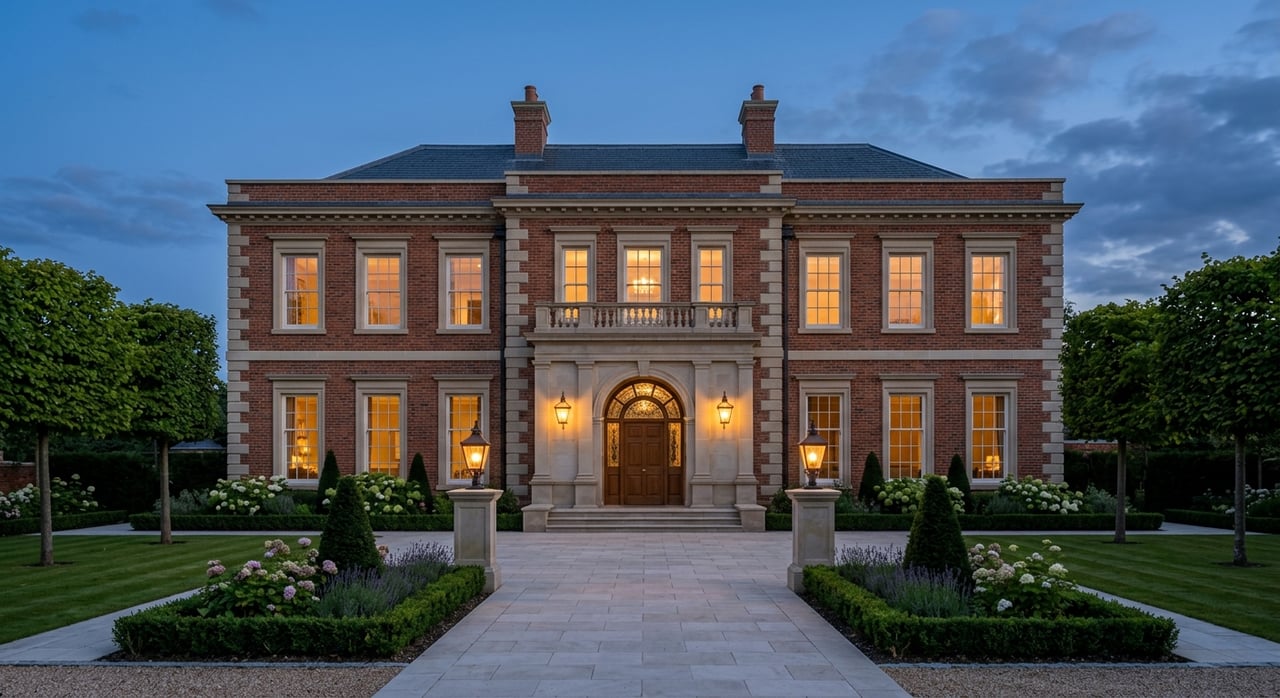
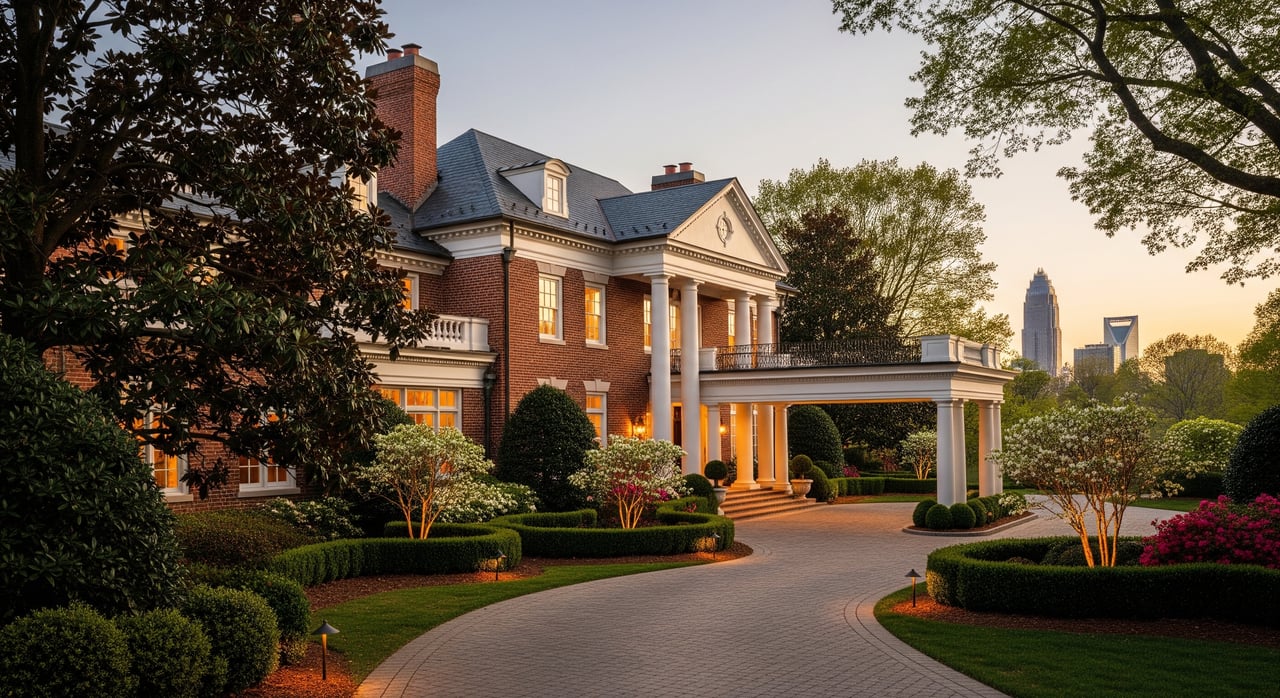
Your first showing is online. We commission high‑resolution photography, including twilight images that showcase architecture and landscape lighting. For larger lots and water views, we add drone photography with operators who follow FAA Part 107 rules. Video walkthroughs, short social clips, 3D tours, and detailed floorplans help out‑of‑town buyers visualize the home and pre‑qualify showings. If we use virtual staging, we disclose it per MLS guidelines.
4) Target the right buyers
We combine private broker outreach with targeted consumer marketing. That includes invite‑only broker previews, distribution through luxury networks and affiliate channels, geo‑targeted social and programmatic advertising, curated email campaigns to relocation partners and top agents, and thoughtful placement in local lifestyle outlets. We separate top‑of‑funnel brand exposure from conversion tactics that drive qualified showings.
5) Control showings and privacy
Luxury buyers expect discretion. We schedule private, appointment‑only tours and request proof of funds or lender preapproval in advance. Where appropriate, we begin with a short exclusive window for top brokers and motivated buyers before broader exposure. We also plan signage, online detail levels, and security measures that balance privacy with momentum.
6) Anticipate financing and appraisal
High‑end homes often attract a mix of cash and jumbo‑financed buyers. Because luxury comps can be thin, we prepare a thorough valuation package for the appraiser that covers recent upgrades and relevant comparables. This helps reduce appraisal risk and keeps your timeline intact.
7) Time the market
Luxury activity can be less seasonal, but relocation cycles, school calendars, and year‑end planning still matter. We align your launch to likely decision windows while managing expectations around days on market in your specific price band.
What this looks like in practice
- Weeks 1–2: Strategy and preparation. Comps review, pricing model, pre‑inspection decisions, repair and staging plan, disclosure documents.
- Weeks 2–3: Production. Photography, video, drone, 3D tour, floorplans, copywriting, and collateral design.
- Week 4: Launch. Broker previews, targeted email campaigns, digital ads, and placement across luxury and affiliate channels.
- Weeks 5–6: Momentum. Private showings, invite‑only events, and data‑driven ad optimizations.
- Offer to close: Negotiation, appraisal and financing coordination, inspection strategy, and closing prep.
How we measure success
We manage your sale like a high‑stakes project, not a series of one‑off tasks. Key performance indicators guide our adjustments in real time.
- Days on market versus your price‑band average
- List‑to‑sale price ratio
- Showings‑to‑offer conversion rate
- Buyer source attribution, including broker and relocation channels
- Absorption rate for your price tier
- Cost per qualified lead for paid campaigns
Budget and ROI
Luxury marketing budgets are higher in absolute terms because the audience and production standards are elevated. We align spend with your goals and track the return clearly.
Typical categories include:
- Photography, video, drone, and 3D tours
- Professional staging and furniture rental
- Premium print materials and property brochures
- Targeted digital advertising and paid distribution
- Broker events and concierge services
- Optional pre‑listing inspections and light repairs
Why Bryn Rose Real Estate
You deserve a luxury advisor who treats your home like both a personal space and a strategic asset. Our practice blends private‑banking rigor with design and construction fluency, so your pricing, presentation, and negotiation strategy are thoughtful and disciplined. We combine neighborhood‑level mastery with high‑touch production and global distribution through our Christie’s affiliate channels to reach qualified buyers locally, nationally, and internationally.
If you are considering a sale in SouthPark, Myers Park, Eastover, Dilworth, Ballantyne, Uptown, or the Lake Norman corridor, we would be honored to advise you. Start with a confidential conversation and a tailored market plan through Bryn Rose Real Estate.
FAQs
How should I price a Charlotte luxury home to maximize net?
- Use a tiered comps analysis, account for absorption and jumbo financing thresholds, and price to create perceived value against current active inventory.
Should I stage or renovate before listing a $1M+ home?
- Prioritize professional staging and focused cosmetic updates that improve first impressions, and address repairs that could block offers or delay closing.
How will you find qualified buyers for my high‑end property?
- We layer broker outreach, luxury network distribution, targeted digital campaigns, curated emails, and private events to reach motivated, pre‑qualified buyers.
What sale timeline should I expect for a luxury listing?
- Timelines vary by price band and micro‑market, and jumbo financing or appraisals can extend closing, so we set expectations using current absorption and DOM trends.
Do North Carolina sellers need to disclose defects?
- Yes, state disclosures apply, and luxury transactions often require thorough documentation, including HOA materials and renovation histories.
Are open houses effective for luxury properties in Charlotte?
- High‑end listings typically perform better with private, qualified showings and broker previews, with open houses used sparingly when appropriate.