If you are searching for luxury in Charlotte, one question often shapes the entire conversation: do you want the character of old Charlotte or the convenience of new Charlotte? That choice is not just about age of construction. It is about how you want to live, what kind of setting feels right to you, and what tradeoffs you are willing to make. In this guide, you will see how signature luxury areas like Myers Park, Eastover, Ballantyne, and The River District compare so you can narrow your search with more confidence. Let’s dive in.
Old Charlotte vs. New Charlotte
Charlotte’s luxury market often splits into two clear paths. One is the older, close-in neighborhood defined by historic planning, mature tree canopy, and architecture that has shaped the city for generations. The other is the newer master-planned district built around trails, parks, retail, and a more coordinated daily lifestyle.
In simple terms, you are often choosing between legacy streetscape and preservation or newer infrastructure and amenity density. Neither is automatically better. The right fit depends on what you value most in your day-to-day life and long-term ownership experience.
What defines old Charlotte luxury?
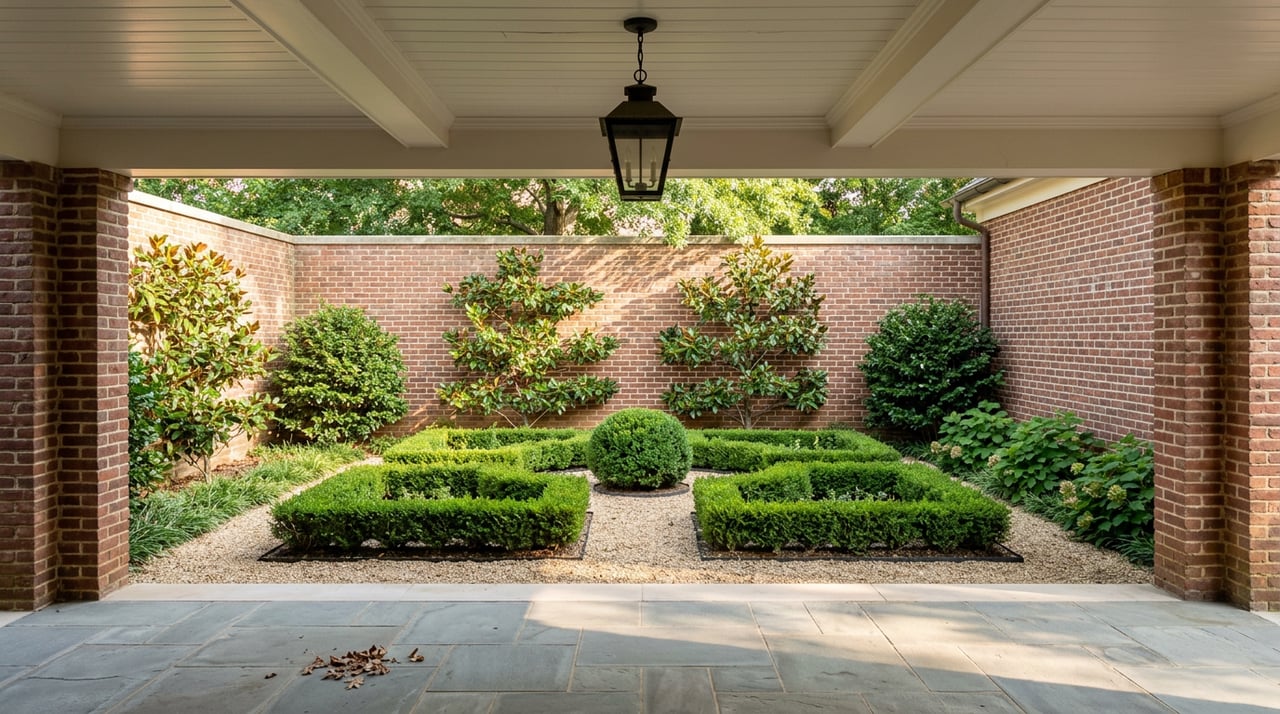
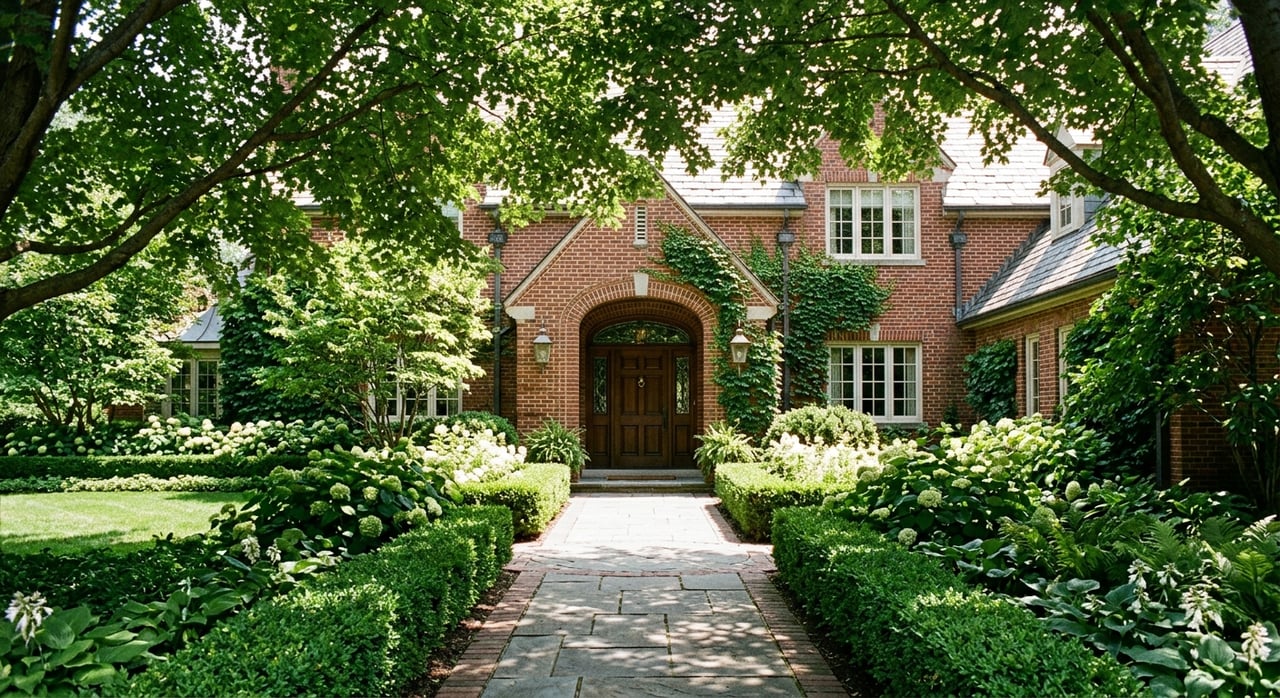
Older Charlotte luxury is best represented by neighborhoods like Myers Park and Eastover. These areas are known for established streets, mature landscaping, and homes that reflect early 20th-century planning and traditional architectural styles.
For many buyers, the appeal is emotional as much as practical. These neighborhoods can feel deeply rooted and highly specific to place. You are not just buying a house. You are buying into a long-established setting with a distinct physical identity.
Myers Park character
Myers Park began in 1911 and is widely recognized as Charlotte’s premier streetcar suburb. Historic documentation describes it as a neighborhood shaped by curving streets, extensive tree planting, and traditional architecture.
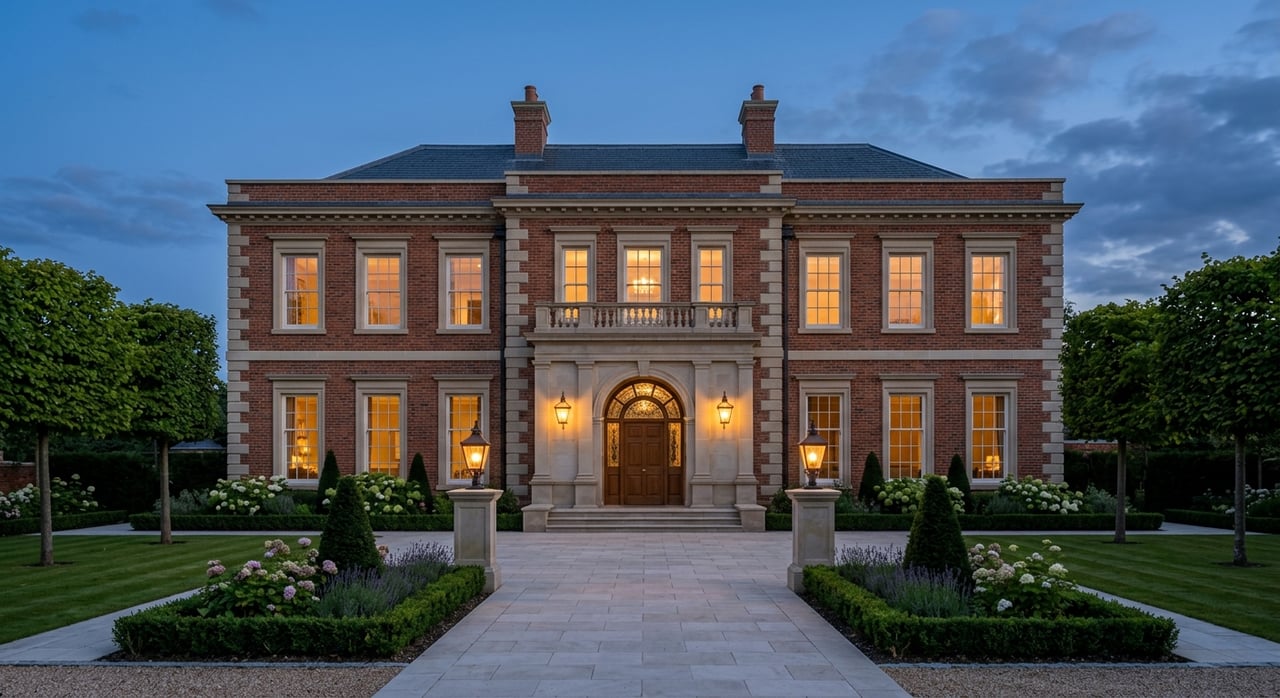
Its early streets feature mature willow oaks, and its housing stock includes Colonial Revival, Tudor, and Bungalow styles. Even later homes often continued the two-story brick Colonial Revival look, which helps preserve a consistent visual language across the neighborhood.
Eastover and Pharrsdale feel
Eastover, especially the Pharrsdale Historic District at its southern end, offers another version of old Charlotte luxury. The district was laid out in 1926 and is described in official records as having mature trees, ornamental shrubbery, generous setbacks, and a largely single-family streetscape.
Colonial Revival is the dominant architectural style, with Tudor Revival as the main secondary style. Compared with Myers Park, Eastover can read as slightly more restrained in its architectural vocabulary, while still delivering the established feel many buyers want in an inner-ring luxury location.
What defines new Charlotte luxury?
New Charlotte luxury is less about inherited streetscape and more about a planned lifestyle. Communities like Ballantyne and The River District are designed to offer a fuller package from the start, often combining homes with parks, trails, retail, gathering spaces, and newer transportation access.
For buyers, that can create a more seamless daily routine. You may find that convenience, recreation, and modern design features are built into the experience in a way that feels intentional and highly livable.
Ballantyne lifestyle
Ballantyne is a 2,000-acre mixed-use community with thousands of apartments, more than 1,000 single-family homes, over 100 acres of parks and green space, and more than 20 miles of walking paths and bike lanes. The area also includes dozens of restaurants, medical, and retail amenities.
It sits about 13 miles south of Charlotte’s central business district. Ballantyne has long been known for luxury real estate and recreation, and current redevelopment is pushing it toward a more urban, walkable format.
The Ballantyne Reimagined project adds to that story with Stream Park, an amphitheater, the Bowl retail district, six new roads, and a greenway connection. It also includes Oro Ballantyne, a 26-story residential tower that introduces a high-rise luxury option in South Charlotte.
New housing in Ballantyne also reflects a convenience-first approach. Recent projects have emphasized modern living formats such as townhomes with two-car garages, walking trails, pocket parks, and homes designed to reduce some of the burdens buyers often associate with older properties.
The River District vision
The River District is a 1,200-acre mixed-use master-planned community in west Charlotte. It is built around parks, trails, river access, and a connected network of homes, retail, restaurants, offices, and other community spaces.
According to the project description, nearly every home and office will be within a block of a connected trail or park. The community is also positioned as about a 15-minute drive from Uptown Charlotte, which adds to its appeal for buyers who want modern planning without feeling far removed from the city.
Its planned program includes 2,300 single-family homes, 2,350 multifamily units, more than 500 acres of preserved green space, and resident amenities such as pools and a clubhouse. In practical terms, The River District represents a luxury model where the lifestyle is curated through amenities, open space, and a connected layout from day one.
The real choice behind the address
When you compare these areas, the decision usually comes down to more than price or square footage. You are often deciding what kind of ownership experience best matches your priorities.
Lifestyle and daily rhythm
Older Charlotte usually means living closer in and being surrounded by legacy streets and long-established neighborhood identity. If you value a setting that feels layered, rooted, and shaped over time, that can be a powerful draw.
Newer Charlotte usually means a more coordinated experience. Retail, recreation, trails, and public spaces are often integrated into the plan, which can make daily routines feel more convenient and more predictable.
Architecture and design language
Older Charlotte leans traditional. You will see revival styles, bungalows, generous setbacks, and tree-framed streetscapes that create visual depth and continuity.
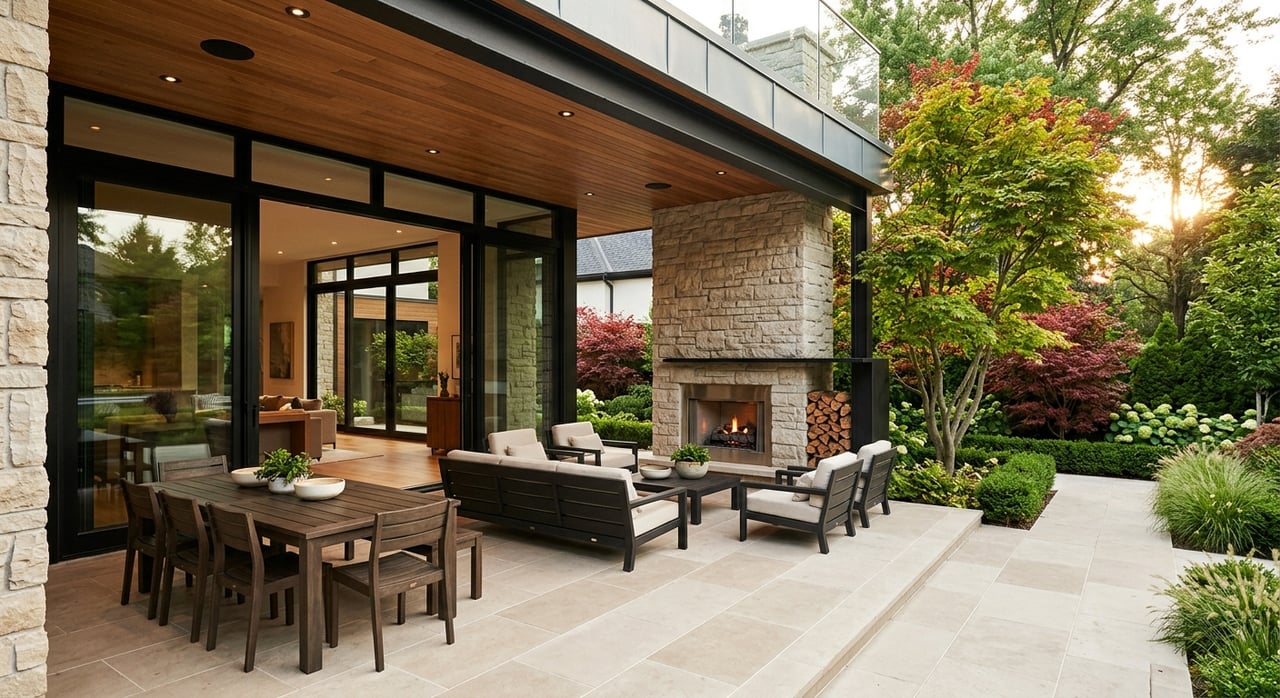
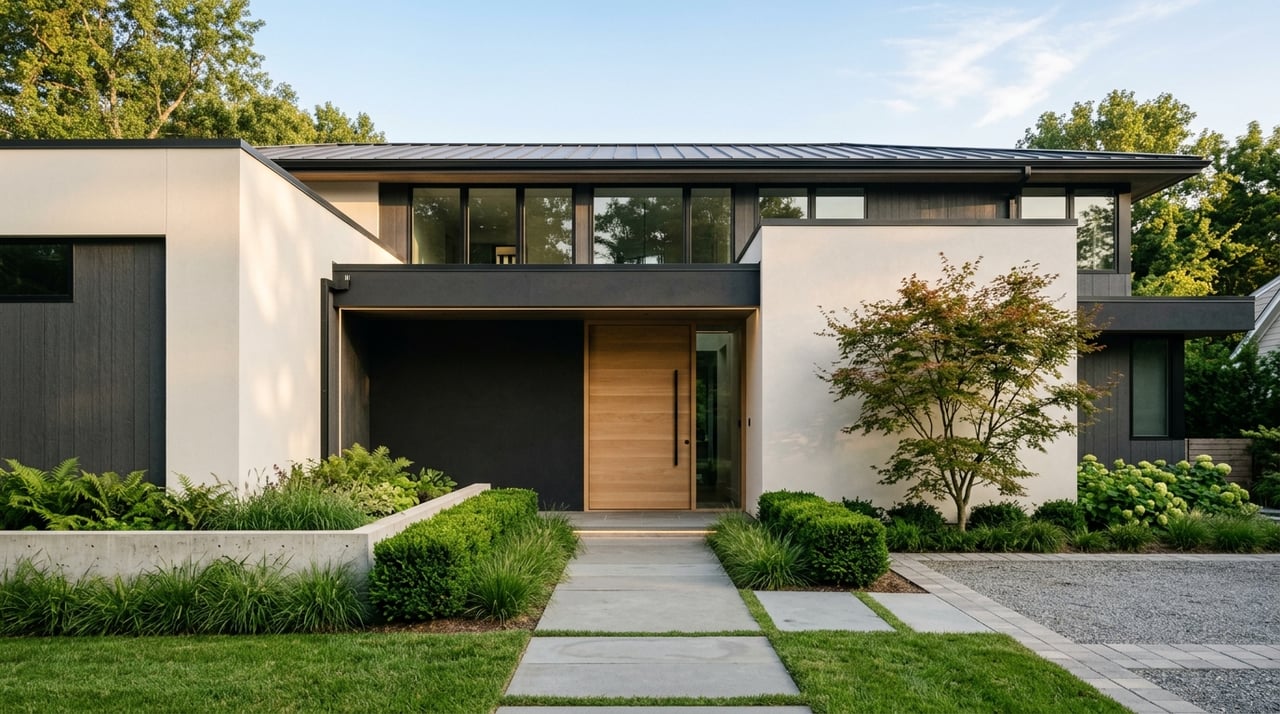
Newer Charlotte tends to lean contemporary or contemporary-influenced. Open floor plans, townhome and high-rise formats, and more standardized amenity design are common themes in areas shaped by recent development.
Upkeep and ownership considerations
Historic-district ownership can involve added review steps. In Charlotte local historic districts, exterior changes such as windows, doors, fencing, and tree removal may require Historic District Commission approval, and a Certificate of Appropriateness is required before work begins.
That does not make older neighborhoods less desirable. It simply means you should go in with a clear understanding of the process and a realistic view of maintenance planning.
Newer homes can reduce some immediate upkeep concerns, but no home is maintenance-free. You still need to budget for repairs, maintenance, insurance, and any applicable HOA fees as part of your total ownership picture.
Which luxury area may fit you best?
If you are drawn to architectural pedigree, mature canopy, and the feeling of a neighborhood that has evolved over decades, Myers Park or Eastover may feel more aligned with your goals. These areas often appeal to buyers who appreciate originality and are comfortable with preservation rules and ongoing upkeep.
If you prefer newer infrastructure, integrated amenities, and a more convenience-driven environment, Ballantyne or The River District may be a stronger fit. These communities often attract buyers who want modern planning, access to trails and parks, and a lifestyle shaped by coordinated development.
The best choice is usually the one that supports both your lifestyle and your ownership strategy. In Charlotte’s luxury market, that balance matters.
Distance and access matter too
For some buyers, proximity to the city core is a major factor. Eastover sits about three miles south of the central city, which can be appealing if you want a more close-in location.
Ballantyne is about 13 miles south of the central business district, while The River District is marketed as a short drive to Uptown. Those differences can shape everything from commute patterns to how connected you feel to different parts of Charlotte.
How to evaluate your options wisely
If you are deciding between old Charlotte and new Charlotte, it helps to look beyond finishes and first impressions. Focus on how the neighborhood structure supports the life you want to lead and the level of involvement you want as an owner.
A few smart questions to ask yourself include:
- Do you want historic character or newer design efficiency?
- How important are walkable amenities, trails, and programmed green space?
- Are you comfortable with historic review requirements for exterior changes?
- Do you prefer a home with an inherited setting or a master-planned environment?
- How much ongoing maintenance and oversight fits your lifestyle?
That kind of clarity can make your search much more efficient, especially in Charlotte’s upper-tier market where each micro-location offers a very different ownership experience.
Whether you are drawn to the legacy appeal of Myers Park and Eastover or the curated convenience of Ballantyne and The River District, a luxury purchase works best when the home, neighborhood, and long-term strategy all align. If you want a more tailored perspective on Charlotte’s high-end neighborhoods, connect with Bryn Rose Real Estate for advisor-led guidance shaped by market knowledge, design fluency, and a disciplined approach to value.
FAQs
What is the difference between old Charlotte and new Charlotte luxury neighborhoods?
- Old Charlotte luxury neighborhoods like Myers Park and Eastover are known for historic planning, mature tree canopy, and traditional architecture, while newer areas like Ballantyne and The River District are built around planned amenities, newer infrastructure, and connected lifestyle features.
What makes Myers Park unique in Charlotte luxury real estate?
- Myers Park began in 1911 and is known for curving streets, heavy tree planting, mature willow oaks, and traditional home styles such as Colonial Revival, Tudor, and Bungalow architecture.
What should you know about Eastover before buying?
- Eastover, including the Pharrsdale Historic District, is known for mature trees, ornamental landscaping, generous setbacks, and a streetscape where Colonial Revival and Tudor Revival styles are especially common.
What amenities define Ballantyne in Charlotte?
- Ballantyne is a large mixed-use community with more than 20 miles of walking paths and bike lanes, over 100 acres of parks and green space, and a broad mix of restaurants, medical, and retail amenities.
What is The River District in west Charlotte?
- The River District is a 1,200-acre master-planned community built around parks, trails, river access, preserved green space, and a connected mix of homes, retail, restaurants, and community amenities.
Do historic districts in Charlotte limit exterior changes?
- Yes. In local historic districts, exterior changes such as windows, doors, fencing, and tree removal may require Historic District Commission review and a Certificate of Appropriateness before work begins.
Which Charlotte luxury neighborhoods are closer to Uptown?
- Eastover is about three miles south of the central city, Ballantyne is about 13 miles south of the central business district, and The River District is marketed as roughly a 15-minute drive to Uptown Charlotte.
Are newer luxury communities in Charlotte maintenance-free?
- No. Newer communities may reduce some immediate upkeep concerns, but you should still budget for repairs, maintenance, insurance, and any applicable HOA fees.