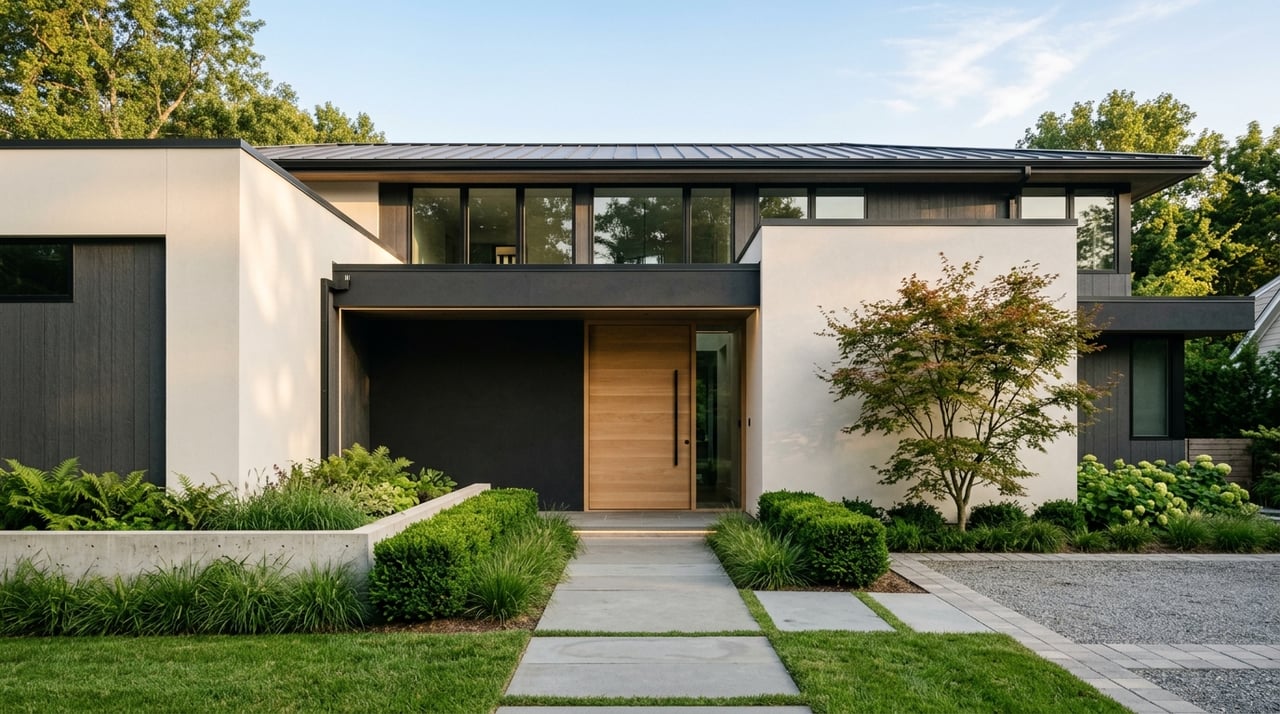
Your Charlotte luxury home is more than a beautiful place to live. It can be a meaningful part of your overall wealth plan when you treat it like a strategic asset. If you want lifestyle, liquidity, and long-term value, you need a clear, data-backed approach that fits your goals. In this guide, you’ll learn how to time the market, choose smart upgrades, plan for taxes, evaluate rental options, and tap equity with discipline. Let’s dive in.
Why think like an investor
Treating your home as an asset is about intention. You set a goal, define your time horizon, and choose the path that maximizes after-tax outcomes. You look at liquidity options, risk, and carrying costs, not just curb appeal. You also lean on specialists so each move aligns with your broader financial plan.
Charlotte luxury market now
Charlotte moved toward a more balanced market in 2025, with inventory up and price appreciation moderating to sustainable levels. According to the Canopy MLS year-end 2025 report, Mecklenburg County ended 2025 with a median sales price near $452,000 and an average around $611,220, with months of supply at about 2.3. Days on market were longer than the pandemic peak years, which matters more in the upper tiers.
Luxury remains a key slice of the city market. The share of listings at or above $500,000 and $1 million has grown since 2018, and demand is supported by corporate growth and relocations. Local coverage has documented the rise in $1 million-plus listings across the Charlotte area, signaling a deeper high-end pool than a decade ago (reporting on $1M-plus listings). Even so, top-tier homes often take longer to sell, which makes pricing, presentation, and timing critical.
Set your objective and time horizon
Start by deciding what you want your home to do for you right now.
Short term: 0–3 years
- Focus on marketability and timing. Prioritize cosmetic refreshes, pre-listing repairs, staging, and a pricing plan tied to current comps and seasonality.
- Avoid large capital projects that will not finish or be absorbed before you sell.
- Leverage your agent’s off-market network for qualified exposure while preparing a best-in-class launch.
Medium term: 3–7 years
- Invest in systems and targeted updates. Think roof, HVAC, and midrange kitchen or bath refreshes that appeal to the most probable buyer.
- Use local contractor bids and national benchmarks to validate scope and cost.
- Model property-tax changes after improvements and plan your holding costs.
Long term: 7+ years or multigenerational
- Weigh estate planning factors and future liquidity. An inherited property can receive a step-up in basis, which may influence whether you hold or sell.
- Consider partial repositioning to rental or adding flexibility features where allowed.
- Coordinate early with your CPA, estate attorney, and a local luxury specialist.
Renovate or reposition: what actually pays
National remodeling data shows that modest, targeted projects often return a higher share of cost at resale than large, upscale overhauls. The 2025 Cost vs. Value report indicates a midrange minor kitchen remodel recouped about 113% of cost on average, while major upscale kitchen projects often recouped less than 40%, and very large primary-suite additions were frequently in the single or low double digits (Cost vs. Value 2025).
How that translates in Charlotte:
- In established trophy neighborhoods, scarcity, setting, and lot quality can drive value more than ultra-bespoke finishes. High-quality maintenance, systems health, curated staging, and select kitchen or bath refreshes usually preserve value with better efficiency than a full luxury gut.
- In newer suburban luxury communities, strategic modernization can reposition a home meaningfully. Outdoor living, kitchen re-plans, and primary-bath updates can lift marketability when aligned with neighborhood comps.
Fast rules of thumb:
- Likely higher return: exterior refresh, paint, lighting, landscape tune-up, minor kitchen updates, manageable bath refreshes, and mechanical reliability.
- Higher risk of overcapitalizing: major structural reconfigurations, very high-end specialty finishes, and large additions that exceed neighborhood appraisal norms.
Taxes and carrying costs that shape your plan
Primary residence exclusion
If you sell your main home and meet IRS ownership and use tests, you may exclude up to $250,000 of gain if single or $500,000 if married filing jointly. Review the specifics in IRS Publication 523 and confirm your situation with a CPA.
North Carolina income tax on gains
North Carolina uses a flat individual income tax, scheduled at 4.25% for tax year 2025 and 3.99% for tax year 2026. Confirm which tax year applies to your sale and model state taxes on any capital gains or ordinary income components (NCDOR tax rate schedules).
Mecklenburg County property tax rate
For FY2026, the adopted Mecklenburg County real-property tax rate is $0.4927 per $100 of assessed value. City of Charlotte and special districts add to the total. Use county materials to forecast carrying costs and potential changes over time (Mecklenburg FY2026 budget notice).
Reappraisals and supplemental assessments
Counties in North Carolina reappraise on set cycles. Many also issue supplemental bills after substantial improvements. If you plan a renovation, include the possibility of a near-term supplemental tax bill in your cash-flow model.
1031 exchanges for investment property
A Section 1031 exchange can defer taxes when you exchange real property held for investment or business use. It does not apply to a personal residence. The timing and identification rules are strict, including 45-day identification and 180-day acquisition periods. Review the IRS Form 8824 instructions and engage a qualified intermediary early if you are considering converting to a rental before an exchange.
Basis on inheritance
Property that is inherited generally receives a step-up in basis to fair market value as of the date of death. See IRS Publication 551 and coordinate with your estate attorney and CPA when planning multigenerational outcomes.
Rent or sell: flexibility and rules to know
Converting a luxury home to a rental can diversify your cash flow but changes your tax, insurance, and operating profile. Long-term rentals are typically simpler to manage and underwrite. Short-term rentals can produce higher gross income but bring higher turnover, management intensity, and regulatory variability. North Carolina’s Vacation Rental Act sets key rules for agreements under 90 days and the handling of prepayments. Local posture in Charlotte is generally permissive relative to more restrictive cities, but HOA covenants and overlays can limit or prohibit short-term use. Always verify specifics for your parcel and review the North Carolina short-term rental overview before relying on STR income.
When you underwrite a rental, model a conservative pro forma that includes management fees, vacancy, maintenance, higher insurance premiums, and local occupancy or tax considerations.
Accessing equity: funding options to compare
If you want liquidity without selling, you have several tools. Each has cost, risk, and rate sensitivity.
- Cash-out refinance. Replaces your existing mortgage and provides a lump sum. Rates often price above rate-and-term refinances. Ensure the higher payment and closing costs fit your plan.
- HELOC or home equity loan. A HELOC offers a revolving line; a home equity loan is typically fixed. HELOCs carry variable rates, so consider rate risk and repayment terms.
- Sell and redeploy. Sale provides full liquidity and can unlock diversification or other investments.
- Home-equity investment products. Some programs buy a share of your future appreciation. These products can be complex and costly. The CFPB has emphasized consumer protections, so treat them with caution and consult counsel. Review practical considerations in this Bankrate overview on cashing out equity.
A simple owner checklist
Use this high-level list to organize your next steps:
- Get a current, independent valuation. Request both an appraisal and a hyper-local broker analysis limited to the most relevant streets or blocks.
- Align scope with ROI signals. Price targeted updates using local bids and the Cost vs. Value benchmarks as a starting point. Adjust for Charlotte labor and materials.
- Model tax outcomes with your CPA. Include the primary-residence exclusion, North Carolina income tax rate for the applicable year, potential depreciation and recapture if converting to rental, 1031 eligibility for investment property, and any likely supplemental property tax bills after improvements.
- Verify use and rental rules. Confirm zoning, HOA covenants, and short-term rental permissibility for your specific lot.
- Compare equity options. Evaluate cash-out refinance, HELOC, sale, or alternative equity products, and test for interest-rate sensitivity and repayment risk.
- Assemble your team. Engage a local luxury broker, CPA or tax attorney, estate counsel, an architect or GC estimator if renovating, an independent appraiser, and a property manager if renting.
How Bryn Rose Real Estate helps
You deserve an advisor who blends market intelligence with refined presentation. With a private-banking background and deep experience in custom construction and design, our team brings financial rigor to pricing, a builder’s eye to preparation, and concierge-level execution to marketing. We deliver hyper-local comp analysis, targeted upgrade guidance, discreet off-market reach, and global distribution through Ivester Jackson | Christie’s affiliate channels. Most important, we listen to your goals and coordinate with your advisors so every move supports your broader plan.
If you want to treat your Charlotte luxury home as a strategic asset, we are here to help you do it with clarity and confidence. Connect with Bryn Rose Real Estate to discuss timing, scope, and the right path for your next step.
FAQs
What does the 2025 Charlotte luxury market mean for my sale timing?
- The market is more balanced with longer days on market, so plan for precise pricing, strong presentation, and a well-timed launch tied to seasonal demand and local comps, supported by Canopy MLS year-end 2025 data.
How is my 2026 Mecklenburg property tax bill calculated?
- The county rate is $0.4927 per $100 of assessed value for FY2026, plus any City of Charlotte or special district taxes, as noted in the Mecklenburg FY2026 budget notice.
Do I qualify for the federal home sale exclusion on my Charlotte primary residence?
- If you meet the IRS ownership and use tests, you may exclude up to $250,000 of gain if single or $500,000 if married filing jointly; review IRS Publication 523 and consult your CPA for specifics.
Can I use a 1031 exchange with my Charlotte home?
- A 1031 exchange applies to property held for investment or business use, not a personal residence; strict identification and closing deadlines apply, outlined in the IRS Form 8824 instructions.
Are short-term rentals allowed in Charlotte luxury neighborhoods?
- North Carolina’s Vacation Rental Act governs key STR rules, but HOAs and local overlays can restrict or prohibit STRs; verify your parcel and review this state STR overview before relying on STR income.
Which renovations tend to pay back best before selling a luxury home?
- Data shows targeted, midrange projects like minor kitchen refreshes often recoup a high share of cost, while large upscale additions recoup less; see the 2025 Cost vs. Value report and adjust to Charlotte comps and costs.