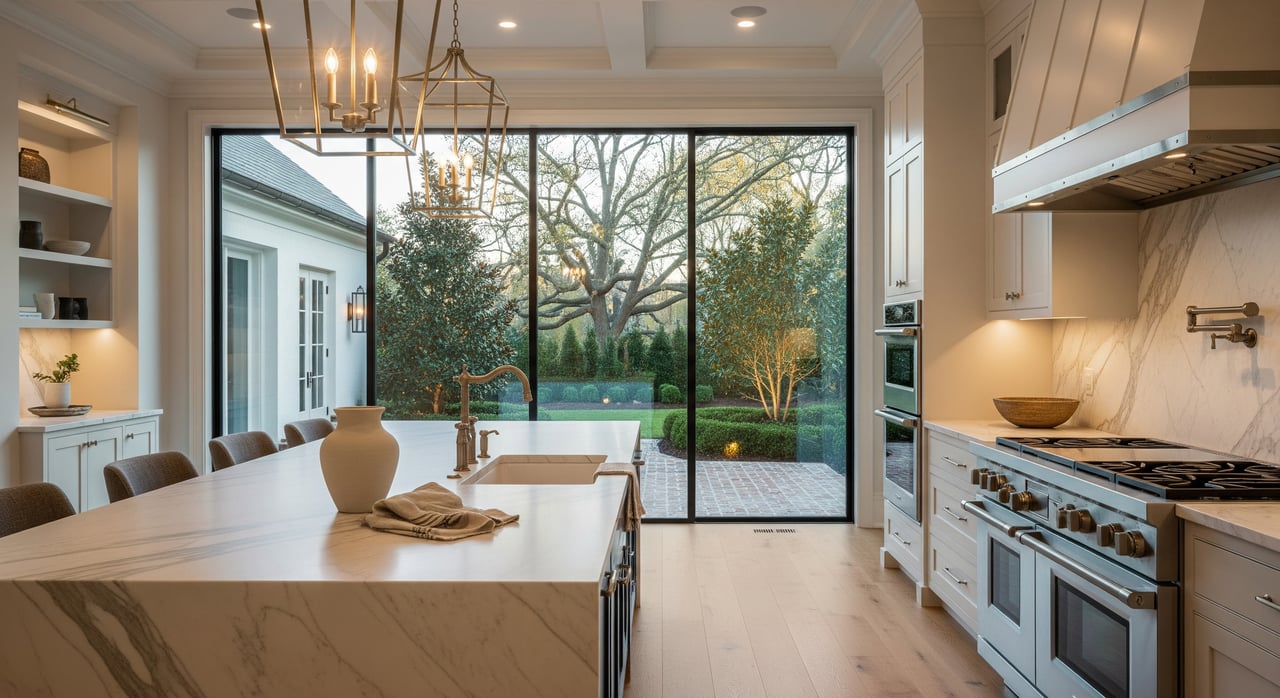
Planning a major kitchen remodel or thinking about adding a pool and wondering how that will play when an appraiser walks through your Charlotte home? You are not alone. Luxury upgrades can be powerful, but appraisers focus on what buyers in your market will actually pay for. In this guide, you will learn how appraisers evaluate high-end features in Mecklenburg County, which upgrades tend to show up in value, and how to prepare so your improvements are recognized. Let’s dive in.
How appraisers determine value
Sales comparison leads luxury appraisals
For most luxury homes, appraisers rely on the sales comparison approach. They review recent, similar sales in your neighborhood and adjust for differences such as square footage, lot size, condition, and amenities. The goal is to reflect what a typical buyer would pay today, not what you spent or how much you love a feature.
Cost approach supports unique properties
When comparable sales are scarce or features are very unique, the cost approach can help. This estimates what it would cost to replace the home and then adjusts for depreciation and land value. It is often used to support value on significant new construction or very high-cost finishes when the market has few direct matches.
Income approach is uncommon for owners
The income approach applies to properties that generate rental income. It is less relevant for owner-occupied luxury homes, though it can appear if a property has a documented income stream.
Neighborhood norms in Charlotte
What luxury means locally
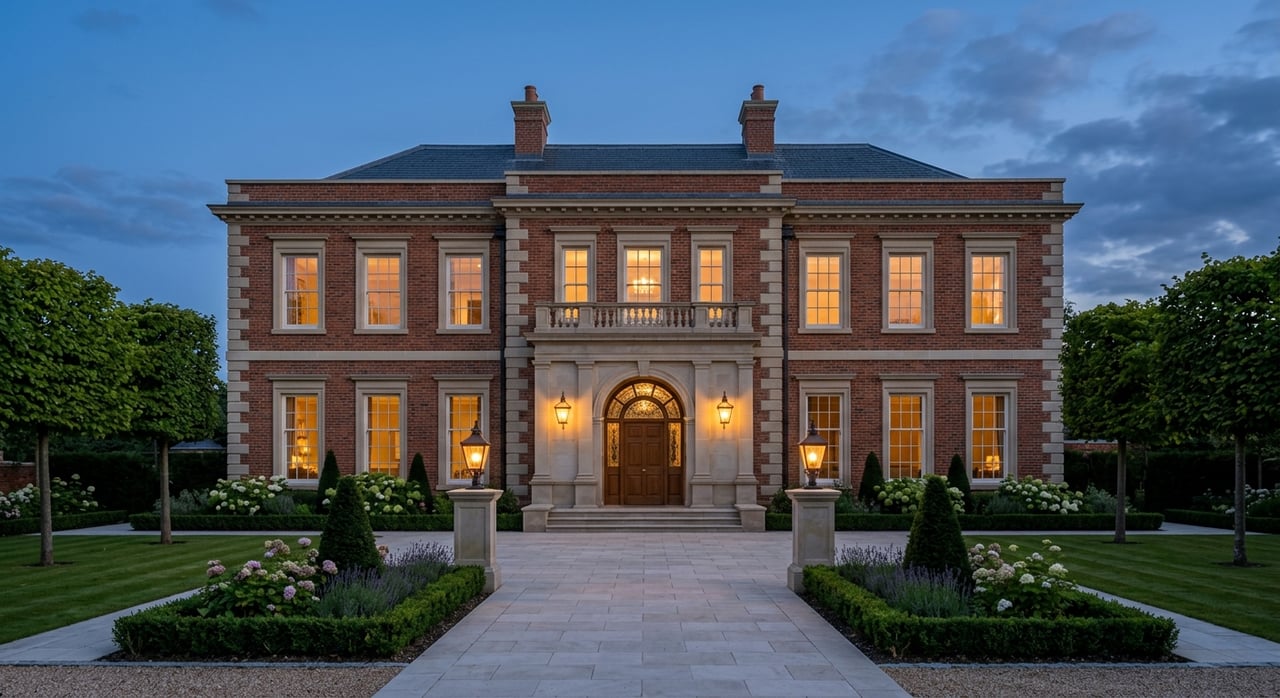
Luxury is relative to the local market. In Charlotte, it typically means homes in the upper tier of prices within their submarket. The exact threshold varies by area and by current market conditions, so appraisers look to recent comparable sales to set expectations.
Submarket standards shape value
Charlotte’s luxury buyer pool is segmented. Areas like Myers Park, SouthPark, Dilworth, Ballantyne, and South Charlotte have different norms on architecture, lot size, and amenities. Waterfront estates around Lake Norman and Lake Wylie follow a different set of expectations, where docks and outdoor living can weigh more heavily. Upgrades that align with the standard in your specific submarket are more likely to be reflected in the appraisal.
High‑impact upgrades appraisers recognize
Kitchens and primary baths
High-end kitchens with professional-grade appliances, custom cabinetry, and quality countertops, as well as luxury primary baths, tend to be market-recognized. If these spaces are comparable to what buyers expect in nearby sales, they often support stronger adjustments.
Primary suites and modern layouts
Adding or reconfiguring to create an en-suite primary suite or an open-plan layout can add measurable value when similar features exist in local comps. Changes that improve the bedroom-to-bath ratio or create more functional flow usually help.
Outdoor living that fits the area
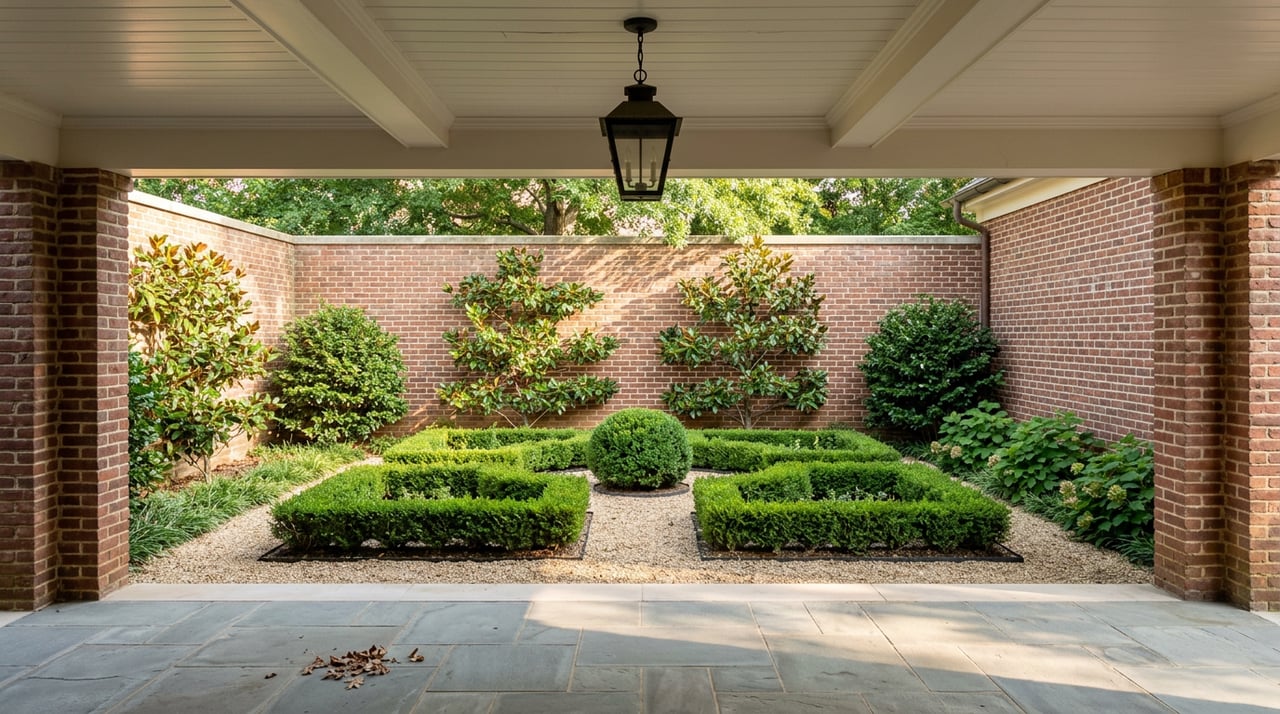
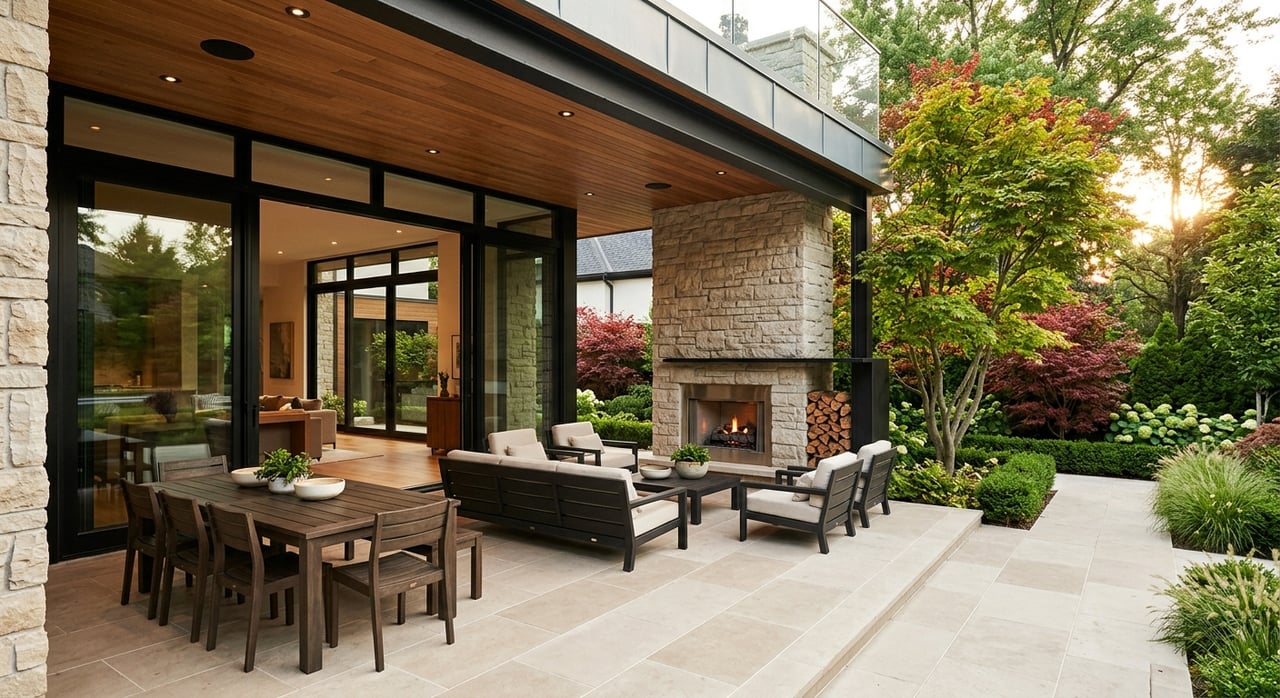
Well-executed outdoor kitchens, covered terraces, and well-planned landscaping can be positively valued, especially in neighborhoods where these features are common. Pools can contribute when they are typical for the area and in good condition, with proper permits and maintenance history.
Quality systems and infrastructure
New HVAC, roof, windows, and whole-house mechanicals matter. When documented and under warranty, these upgrades reduce risk for buyers and are considered by appraisers, even if they are less visible than cosmetic changes.
Upgrades with limited or conditional impact
Unique finishes and specialty rooms
Exotic stone, artisan features, or highly personalized finishes may not fully translate into higher appraised value if they are unusual in local comps. Home theaters, wine rooms, or other specialty spaces can contribute when local buyers expect them, but the impact is often limited if demand is narrow.
Smart home technology
Integrated, whole-home automation systems with documentation can be valued in markets where they are common. Standalone gadgets or décor-level tech are less likely to influence value.
Pools and extensive hardscape
A pool’s impact depends on neighborhood prevalence, maintenance condition, and safety and permit history. In some buyer segments, a pool is viewed as a maintenance liability. Appraisers look to comparable sales to gauge the actual contribution.
Permits, compliance, and documentation
Permits and final inspections
Appraisers routinely verify permits for additions and major renovations using county records. Missing or open permits can create marketability concerns and may require value adjustments. Ensure all permits are closed and final inspections are documented.
Proof of quality and cost
Provide receipts, specs, warranties, and builder or contractor documentation. For high-cost finishes or structural work, this evidence helps support adjustments and, when relevant, the cost approach.
Energy and green certifications
If you installed energy-efficient features, keep certificates or reports such as HERS or ENERGY STAR. These can help when buyers and lenders recognize their value in the local market.
Functional utility and obsolescence
Improve use, avoid over-specialization
Changes that boost usability, such as adding a full bath or improving bedroom egress, help value. Highly specialized features or dated layouts can reduce marketability and may trigger negative adjustments.
Timing and market context
Hot versus cooling conditions
In a hot market, buyer demand can help capture the value of aligned upgrades. In a cooling market, comps may not support the same adjustments. Appraisals reflect current conditions, so timing affects how much shows up in the report.
Avoid rushed last-minute projects
Quick cosmetic updates right before listing rarely change the appraisal if nearby sales do not show those features. Focus on aligning with neighborhood standards rather than chasing trends that comps will not support.
Prepare for your appraisal
Build a concise documentation package
- Itemized list of upgrades with dates, contractor names, and costs.
- Copies of closed permits and final inspection approvals.
- Product specs, manuals, and warranties for major systems and appliances.
- A curated list of recent comparable sales with a short note on why each is similar.
- Recent survey, HOA documents if applicable, utility bills for efficiency features, and before-and-after photos of major work.
Coordinate access and a focused tour
- Request an appraiser experienced in luxury properties and your submarket. Lenders select the appraiser, but you can provide a cover letter noting the needed experience.
- Ensure full access to mechanical rooms, attics, crawlspaces, and outdoor improvements.
- Offer a brief tour that highlights structural improvements, systems, and high-value features first, then design details.
Waterfront and estate specifics
Lake properties and outdoor amenities
In lakefront areas, features like docks, boathouses, shoreline improvements, and integrated outdoor living areas can carry more weight. Appraisers consider prevalence, quality, and condition, and rely on waterfront comps when available.
Large lots and specialty features
On estate-scale properties, tennis courts, guest houses, and extensive hardscape are assessed against neighborhood norms and buyer demand. Documentation, maintenance records, and permit history are important to support value.
If the appraisal comes in low
Request a reconsideration of value
You can challenge a low appraisal through the lender’s process. Submit additional or more relevant comps, your upgrade documentation, and evidence of permits and inspections. In complex luxury segments, a review appraisal by an appraiser with specific submarket expertise can help.
Putting it all together
Appraisers value luxury features that buyers in your Charlotte submarket expect, and they rely on recent comparable sales to quantify those features. Focus on improvements that elevate function, align with neighborhood standards, and are well documented. When you prepare the right package and coordinate the visit, you give the appraiser the best support to recognize your home’s true market position.
If you are considering renovations, pricing a listing, or preparing for an appraisal, connect with a local advisor who understands both construction and market behavior. For discreet guidance tailored to your property, reach out to Bryn Rose Real Estate.
FAQs
How do Charlotte appraisers value luxury kitchens?
- They compare your kitchen to recent local sales, then adjust for quality, layout, and condition when similar high-end kitchens appear in the comps.
Do pools always raise a luxury home’s appraisal?
- Not always. Value depends on neighborhood norms, condition, proper permits, and buyer preferences as shown in comparable sales.
Will I recover the full cost of my renovation?
- Appraisals reflect market value, not cost. Kitchens, baths, and systems often show better recoupability than exotic or highly personal finishes.
What if my home is unique and there are few comps?
- Appraisers may widen the search area, use the cost approach, and apply trend-based adjustments, supported by your documentation.
Can I challenge a low appraisal on a luxury property?
- Yes. Provide stronger comps, proof of permits and upgrades, and request a reconsideration of value or a review appraisal through your lender.