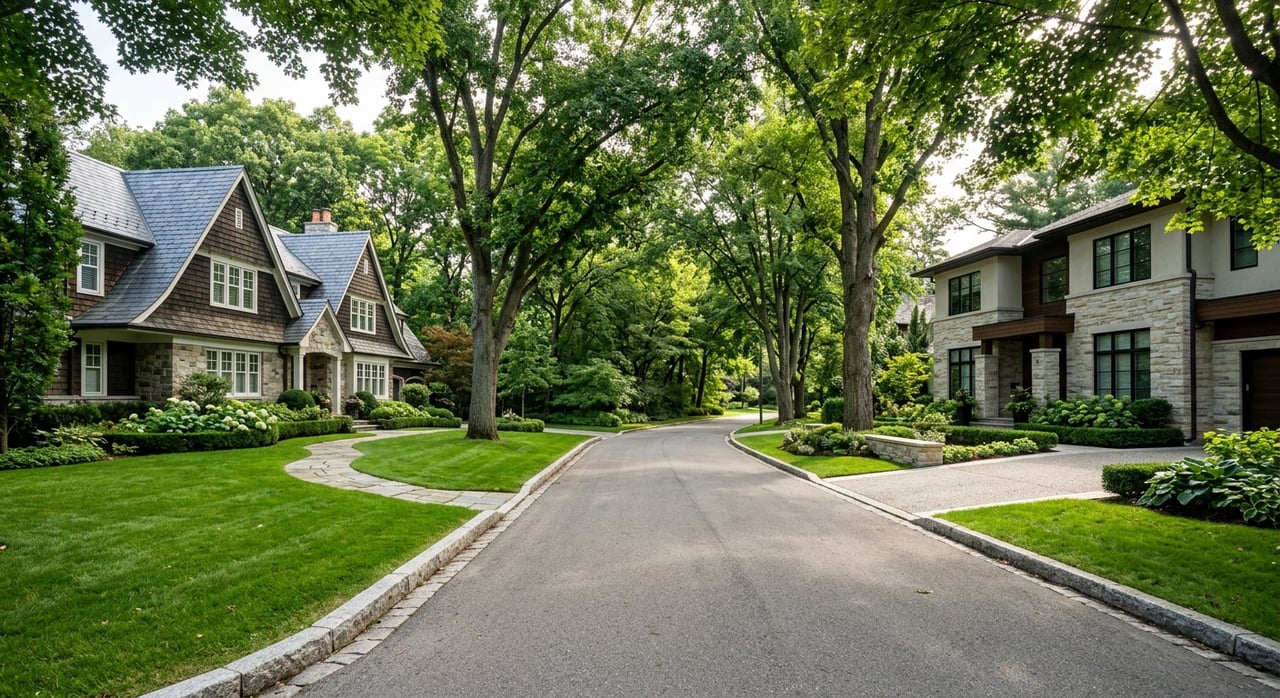
Relocating to Charlotte for work can feel simple on paper and surprisingly nuanced in real life. You may know your office address, your travel schedule, and the kind of home you want, but choosing the right luxury neighborhood often comes down to how those pieces fit together day to day. This guide will help you narrow your options in Charlotte based on commute patterns, housing style, and lifestyle priorities so you can make a confident move. Let’s dive in.
Start With Your Commute
If you are moving to Charlotte for a job in Uptown or Midtown, your commute should shape your first shortlist. According to Charlotte Center City Partners, Center City is the region’s economic, social, and cultural core, and center-city-adjacent neighborhoods tend to offer the easiest access to offices, dining, and daily conveniences.
That means buyers relocating for work often begin by comparing Uptown, South End, Myers Park, Dilworth, and Midtown-adjacent areas. If your role is based farther south, Ballantyne may deserve more attention from the start.
Why Uptown and Midtown Matter
Uptown remains one of the most practical choices for professionals who want to minimize travel time to a center-city office. Center City Partners describes Uptown as a place where business, dining, sports, arts, and entertainment all intersect.
Midtown is also important if your work touches healthcare or life sciences. It sits adjacent to Uptown, and the city says The Pearl innovation district is projected to create more than 5,500 on-site jobs over time.
If You Fly Often, Factor in CLT
For executives and frequent travelers, airport access can be just as important as office access. Charlotte Douglas International Airport provides official driving directions from Uptown, and CATS also operates airport transit connections, including Route 5 Airport from Uptown and Route 60 Tyvola from Tyvola Station.
If you expect regular flights, it helps to weigh how often you will be heading to CLT versus your office. A neighborhood that looks ideal on a map may feel less efficient if it adds friction to a weekly travel schedule.
Match the Neighborhood to Your Work Style
Once you define the commute, the next step is choosing the type of environment that fits your routine. In Charlotte’s luxury market, the main decision is often between historic close-in neighborhoods, dense urban districts, and newer mixed-use communities in south Charlotte.
Myers Park for Historic Luxury
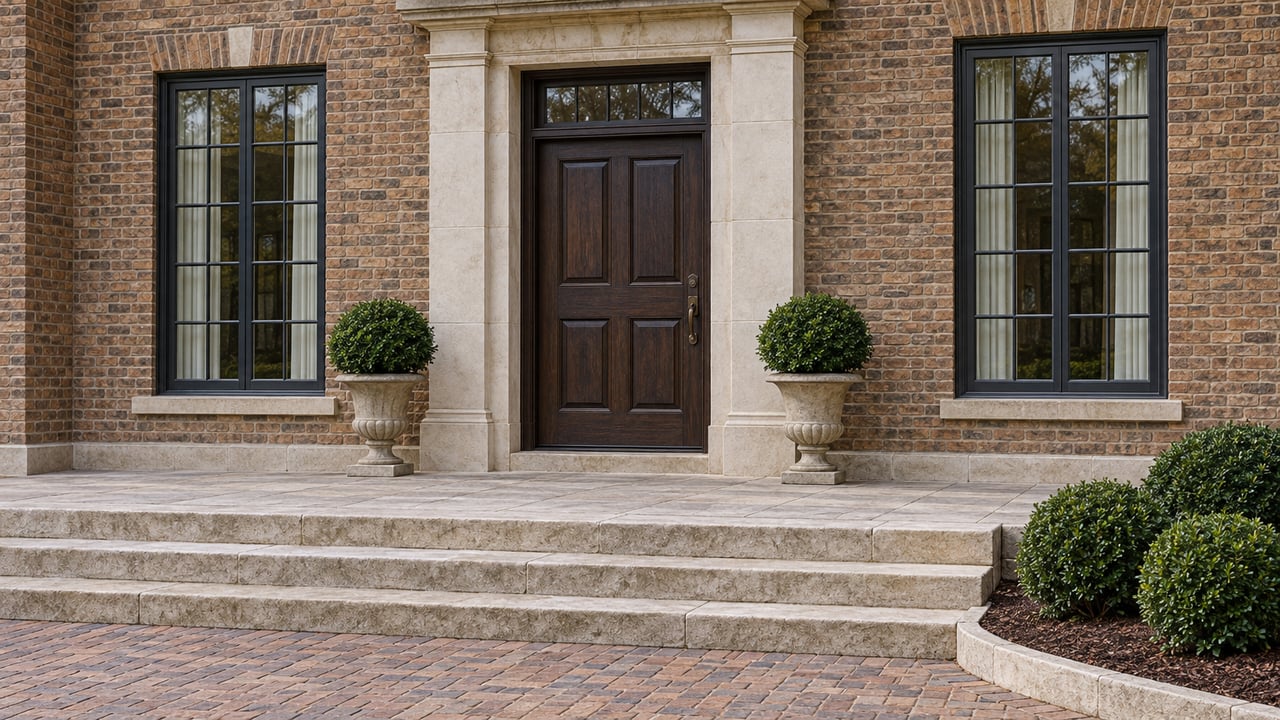
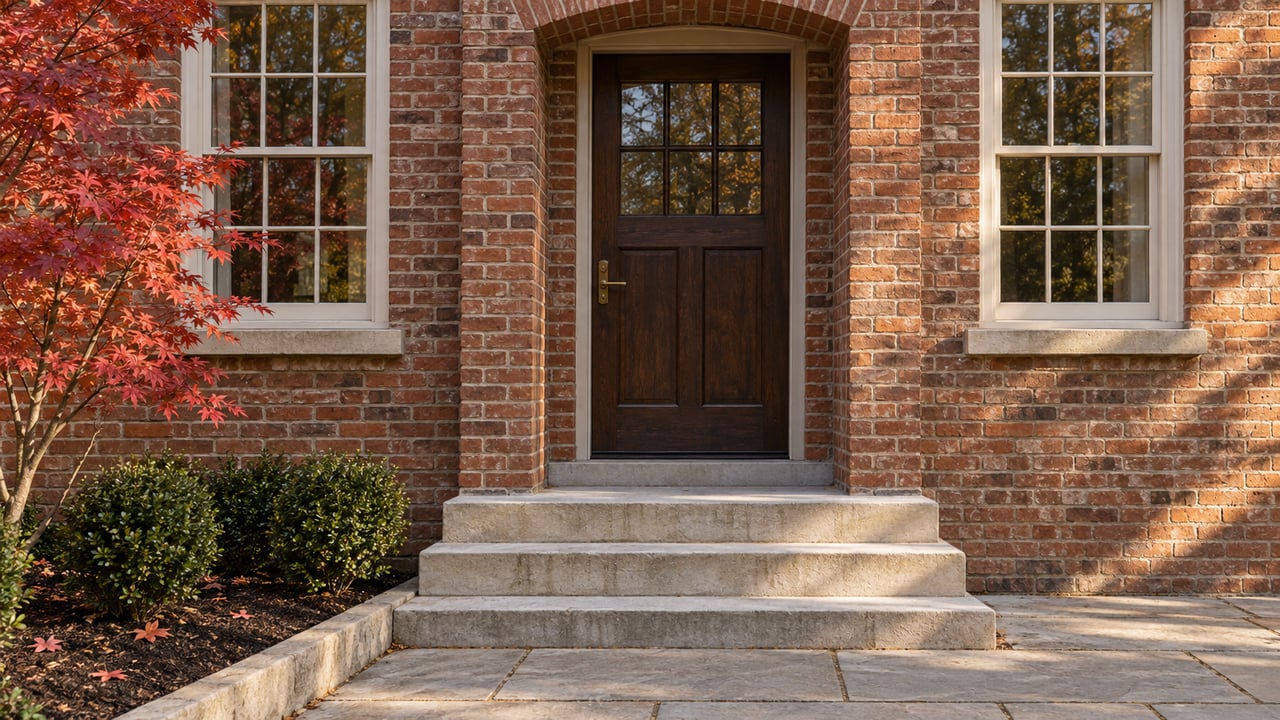
Myers Park is one of Charlotte’s classic luxury addresses. The Myers Park Homeowners Association notes the neighborhood was formed to preserve its historic layout and stock of single-family homes, while the historic inventory describes development from the 1910s through the 1950s with Colonial, Tudor, and Bungalow architecture.
If you value mature landscaping, architectural character, and a close-in residential setting, Myers Park is often a natural fit. It tends to appeal to buyers who want a more established neighborhood feel rather than a newer mixed-use environment.
Dilworth for Close-In Character
Dilworth offers another established option near Center City. The city’s Historic District information notes that Dilworth was founded in the 1890s as Charlotte’s first suburb and was originally linked to downtown by the city’s first electric streetcar.
Its curved streets and historic architecture give it a distinct sense of place. For relocating buyers, it can offer a balance between close-in access and neighborhood character, especially if you want something less vertical than Uptown or South End.
South End for Urban Energy
If your priority is walkability, transit access, and a strong urban rhythm, South End stands out. Center City Partners highlights its breweries, coffee shops, galleries, murals, and diverse retail, while the city’s Rail Trail information notes the Blue Line Rail Trail is an 11-mile pedestrian and bicycle facility.
South End is often the clearest fit for buyers who want a lock-and-leave lifestyle and the shortest possible route to center-city offices. It is also a strong option if you prefer newer residential product and a neighborhood built around movement and convenience.
Uptown for the Shortest Daily Routine
Uptown is often the simplest answer if your office is there and you want the fewest moving parts in your day. It offers immediate proximity to work, cultural venues, sports, restaurants, and transit.
For some buyers, that convenience outweighs the appeal of a larger home or quieter street pattern. If your version of luxury is time saved, ease of access, and a high-rise or apartment-centered lifestyle, Uptown deserves serious consideration.
SouthPark for a Polished Mixed-Use Setting
SouthPark serves buyers who want an upscale district with strong retail and dining access, but not necessarily a fully urban core. The city describes SouthPark as a Mixed-Use Activity Center, and SouthPark Community Partners reports 200-plus shopping destinations, more than 100 eateries, and a planned roughly 3-mile Loop connecting shops, restaurants, hotels, parks, and nearby neighborhoods.
Mobility is also improving in the district, and SouthPark includes the free on-demand SouthPark Skipper. For buyers who want a polished, amenity-rich environment with a broader mix of housing and commercial uses, SouthPark can be a compelling middle ground.
Ballantyne for a South Corridor Base
Ballantyne is the main exception to the usual advice of living near Uptown. If your office is in south Charlotte, especially near Ballantyne Corporate Park, it may offer the most logical daily setup.
The city is studying a proposed Blue Line extension to Ballantyne, and it is also advancing roadway projects in the area. Northwood describes Ballantyne as a 2,000-acre mixed-use development with open green space and amenities, while Ballantyne Reimagined includes office, retail, hotel, and a variety of residential uses. For buyers who want a newer, more campus-like luxury environment, Ballantyne stands apart.
Consider Home Type Before You Choose
Luxury relocation is not only about location. It is also about understanding what your preferred home type will mean for daily living, maintenance, and future plans.
Historic Homes Offer Character and Constraints
In neighborhoods like Myers Park and Dilworth, the appeal is easy to understand: architecture, continuity, and mature surroundings. But the city notes that exterior changes in local historic districts require a Certificate of Appropriateness.
That matters if you expect to renovate, expand, or make exterior updates soon after closing. A beautiful historic home can be a great fit, but it is wise to go in with a clear understanding of the review process.
Newer Construction Often Prioritizes Convenience
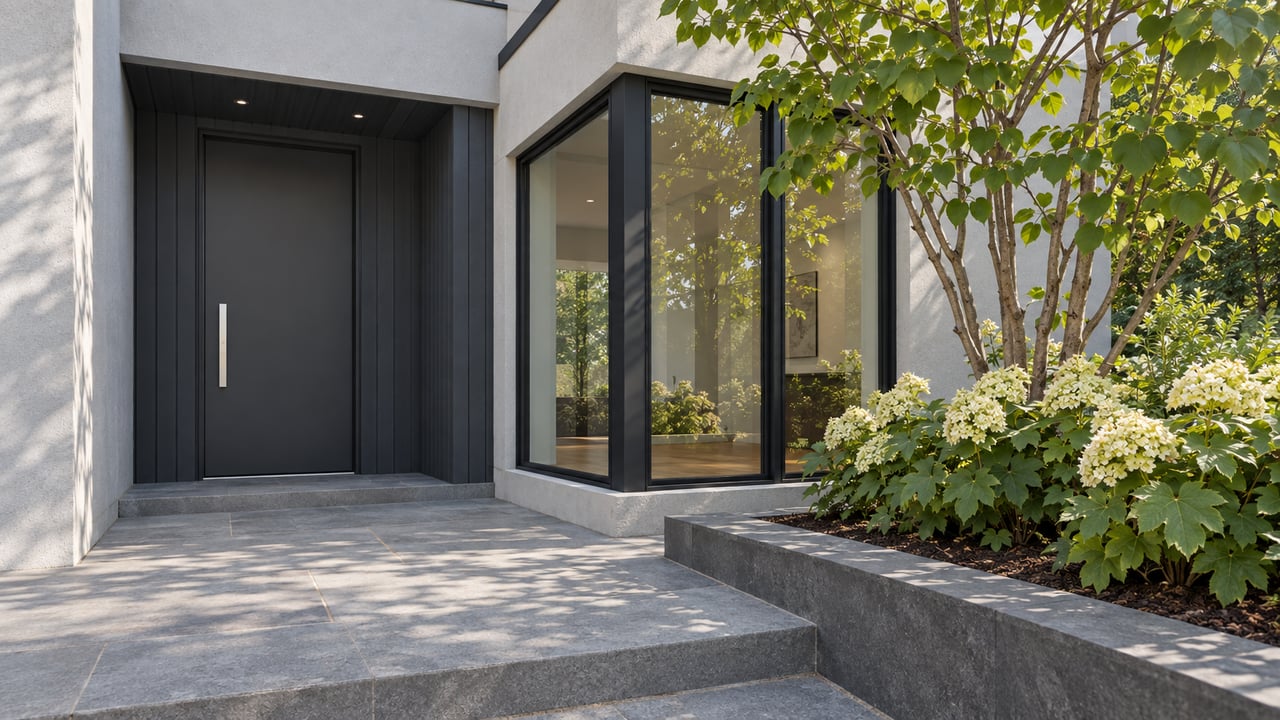
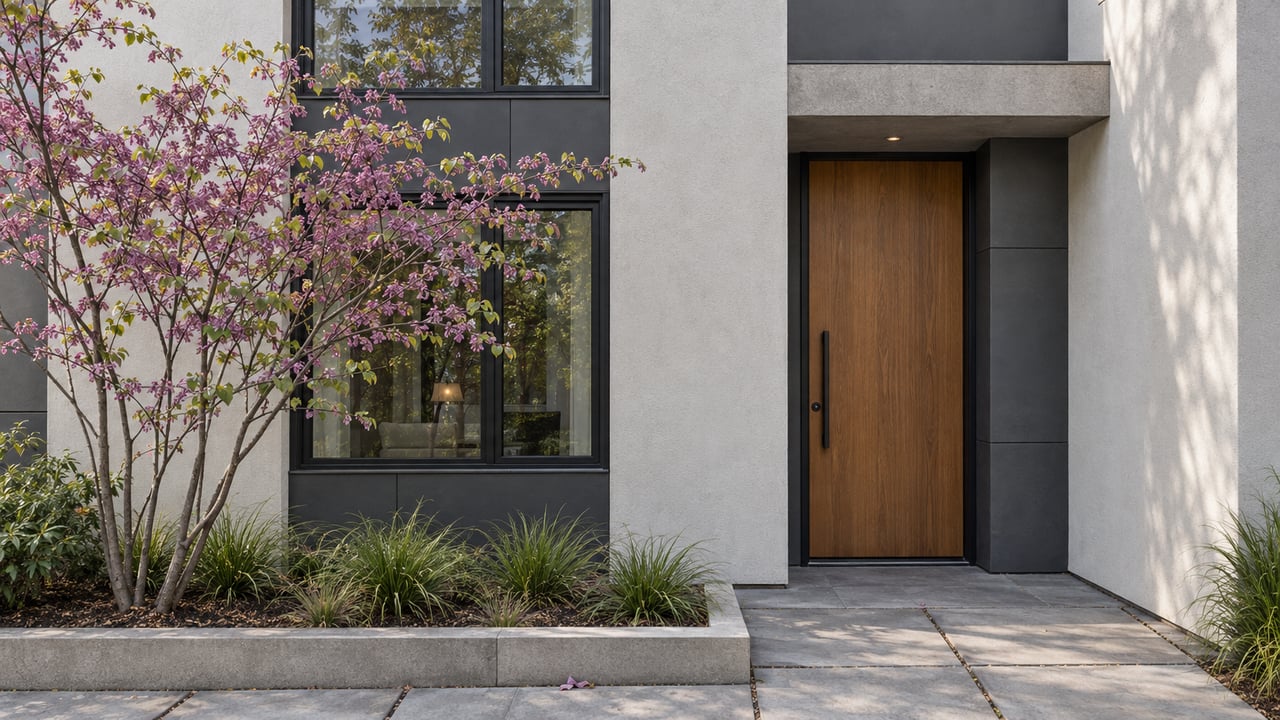
South End, Uptown, SouthPark, and Ballantyne show more signs of new construction and mixed-use residential development. In practical terms, that can mean more building amenities, less private yard space, and more nearby construction activity.
For many relocating professionals, that trade-off is worth it. If you want lower-maintenance living and easier access to dining, transit, or shared amenities, newer product may align better with your lifestyle.
Use Four Filters to Narrow the Search
When clients relocate for work, the decision usually becomes clearer once you focus on four practical questions.
1. How Often Will You Be in Uptown?
If you need to be in Uptown most weekdays, close-in neighborhoods and urban districts deserve priority. Longer drives can look manageable at first, but they affect your routine over time.
2. How Frequently Do You Fly Through CLT?
If you travel often, airport access should be part of your home search strategy from day one. A neighborhood that supports both office access and airport efficiency can create a noticeably smoother workweek.
3. Do You Prefer Historic Character or Newer Construction?
This is one of the biggest luxury-buyer dividing lines in Charlotte. Historic neighborhoods generally offer more architectural legacy, while newer mixed-use districts tend to offer convenience, amenities, and lower exterior-maintenance demands.
4. Do You Want a Walkable Core or a Residential Feel?
Some buyers want to step outside and walk to restaurants, retail, and transit. Others want a quieter street pattern and a more residential setting, even if that means a slightly longer drive.
The right answer depends on how you want your week to feel, not just how you want your house to look.
A Simple Charlotte Luxury Framework
If you want a practical shorthand, here is a useful way to think about Charlotte’s luxury options based on the current planning and neighborhood sources:
- Myers Park and Dilworth are the best-known historic, close-in luxury choices.
- South End and Uptown are the most transit-rich urban choices.
- SouthPark is the strongest shopping-and-dining district with improving mobility.
- Ballantyne is the clearest corporate-campus-style luxury district in the south corridor.
That framework can help you move from broad interest to a focused shortlist. From there, the right neighborhood usually becomes the one that best supports your work rhythm, travel habits, and preferred style of home.
A work-driven move is still a lifestyle decision, and in Charlotte, the luxury market offers distinct choices rather than one-size-fits-all answers. If you want thoughtful guidance on where to begin, Bryn Rose Real Estate offers an advisor-led, concierge approach designed to help you evaluate Charlotte neighborhoods with both lifestyle and long-term value in mind.
FAQs
What is the best Charlotte luxury neighborhood for commuting to Uptown?
- If your office is in Uptown, Uptown and South End usually offer the most direct access, while Myers Park and Dilworth can provide a close-in residential alternative.
Which Charlotte neighborhood is best for frequent business travelers?
- If you fly often through CLT, it is smart to prioritize neighborhoods that balance office access with easier airport routes, especially Uptown and other close-in areas.
Are Myers Park and Dilworth good choices for relocating luxury buyers?
- Yes, both are established close-in neighborhoods known for historic character, but buyers should also understand the exterior review rules that can affect future renovations.
Is Ballantyne a good fit for professionals moving to Charlotte for work?
- Ballantyne can be an excellent fit if your office is in south Charlotte and you want a newer mixed-use environment with corporate-campus-style planning.
How should you choose between South End and SouthPark in Charlotte?
- South End is generally a better match if you want a denser urban setting with transit access, while SouthPark may suit you better if you want a polished mixed-use district with extensive shopping and dining.